In the rapidly evolving construction industry, Wpc Guardrail has emerged as a durable and sustainable solution for safety barriers. Industry expert John Smith, a renowned figure in the guardrail sector, stated, "Wpc Guardrail combines innovation with reliability to enhance safety standards worldwide." This sentiment underscores the significance of adopting advanced safety materials in various applications.
Wpc Guardrail is gaining traction due to its unique blend of wood and plastic composites. This material provides several benefits, from cost-effectiveness to longevity. Many global buyers are increasingly recognizing its value for urban infrastructure projects. However, it is essential to address potential concerns regarding its environmental impact and long-term performance.
Trade professionals must carefully evaluate all aspects of Wpc Guardrail. While it offers numerous advantages, understanding local regulations and maintenance needs is crucial for effective implementation. Exploring these facets can provide a clearer picture of how Wpc Guardrail can improve safety and functionality in diverse settings.
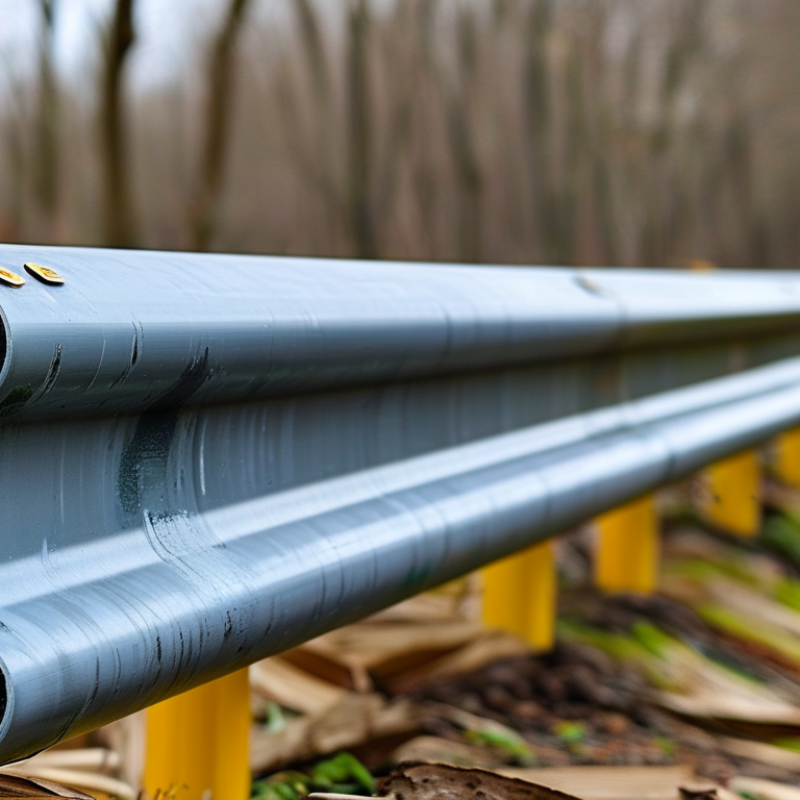
Advantages of WPC Guardrail in Various Environmental Conditions
WPC (Wood-Plastic Composite) guardrails offer significant advantages in various environmental conditions. These materials combine the durability of plastic with the aesthetic appeal of wood. They withstand harsh weather, be it rain, snow, or UV exposure. Unlike traditional materials, WPC does not splinter, rot, or fade easily, making them an attractive option for buyers in diverse climates.
In coastal or high-moisture areas, WPC guardrails excel. Their resistance to moisture prevents decay, which is a common issue with wood. They also resist corrosion in saltwater environments. This durability means fewer replacements and lower long-term costs for buyers. However, some may question the long-term sustainability of these materials. While WPC is made from recycled products, ongoing research is necessary to improve its environmental footprint.
In cold climates, WPC guardrails maintain their strength and stability. Unlike metal, they do not conduct cold, ensuring safe handling year-round. However, caution must be taken in extremely low temperatures, as some composites can become brittle. Overall, WPC guardrails present a reliable choice, though ongoing innovations in materials are critical to address potential weaknesses and enhance their performance further.
Durability and Low Maintenance of WPC Guardrails Explained
Durability is a key feature of WPC guardrails, making them an attractive choice for global buyers. Composed of wood-plastic composites, these guardrails resist rotting and warping. Industry studies show they can last 20 years or more with minimal wear. This longevity reduces the need for frequent replacements, which can be costly.
Low maintenance is another advantage. WPC guardrails typically need only periodic cleaning. Unlike traditional wood, they do not require staining or sealing, saving both time and money. A report from the Building Research Establishment indicates that maintenance costs for WPC materials can be up to 50% lower than for wood installations over their lifespan.
However, not all products are created equal. Some lower-quality WPC guardrails may still show deterioration under harsh weather conditions. Buyers should carefully evaluate specifications and test results. While this material offers excellent durability and is generally low-maintenance, it’s crucial to choose products from reputable sources to ensure long-term performance and reliability.
Cost-Effectiveness of WPC Guardrail Solutions for Global Buyers
WPC guardrails are gaining traction in the construction and safety sectors. Their cost-effectiveness is particularly appealing for global buyers. A recent industry report reveals that materials made from wood-plastic composite (WPC) can reduce costs by up to 30% compared to traditional materials. This substantial savings makes them an attractive option for projects with tight budgets.
Another key factor is durability. WPC guardrails boast a lifespan that can extend up to 25 years, far surpassing typical wood options. This longevity reduces the need for frequent replacements, saving both time and maintenance costs. Additionally, the low maintenance requirements can yield a further 15% savings over time, according to market analyses.
Despite these advantages, there are challenges. Some products may not meet all local codes, potentially leading to compliance issues. Global buyers must ensure that their selected WPC solutions align with regional regulations. Moreover, not all WPCs are created equal; quality can vary, impacting overall effectiveness and safety. Prioritizing vendors with a proven track record is essential. Reliable support from suppliers can bridge gaps in knowledge and prevent costly mistakes.
Aesthetic Versatility of WPC Guardrails for Different Applications
WPC guardrails offer a unique blend of aesthetics and functionality. Their versatility makes them suitable for various applications, such as residential areas and commercial spaces. Homeowners can choose finishes that match their décor. Businesses can opt for colors that align with their brand identity. This adaptability is key for modern design needs.
Incorporating WPC guardrails enhances visual appeal. They can mimic wood, metal, or even modern composites. This quality allows for creative design solutions. Whether in parks or private yards, they stand out. However, some users may overlook maintenance aspects. While durable, these materials require regular cleaning to maintain their beauty.
Environmental factors can influence the longevity of WPC guardrails. In harsh climates, it’s crucial to assess performance over time. The initial aesthetic may fade, prompting a need for touch-ups or replacements. Investing in high-quality materials might alleviate some common issues. This thoughtfulness can enhance both appearance and lifespan.
Sustainability Benefits of Using WPC Materials in Guardrail Production
WPC, or Wood Plastic Composite, is increasingly popular in guardrail production due to its sustainability.
This innovative material blends recycled wood fibers and plastic, drastically decreasing waste. By using WPC, manufacturers reduce reliance on traditional wood, thus preserving natural forests.
This shift reflects a growing commitment to environmentally friendly practices.
Adopting WPC guardrails can minimize carbon footprints. The production process of WPC requires less energy compared to conventional materials.
Plus, WPC is durable and resistant to weather, reducing the need for frequent replacements.
However, there are concerns about its long-term performance in extreme conditions. Real-world testing is essential to validate its durability over time.
Furthermore, WPC materials are often recyclable at the end of their life cycle. This aspect adds to their appeal, ensuring that they do not contribute to landfill waste.
Still, the recycling process is not standardized everywhere, leading to potential inefficiencies.
Addressing these challenges could enhance the sustainable benefits of WPC guardrails in global markets.
FAQS
: WPC guardrails resist rotting and warping. They can last over 20 years with minimal wear.
They typically require only periodic cleaning, unlike traditional wood guardrails.
Yes, maintenance costs can be up to 50% lower than for wood installations.
No, some lower-quality WPC guardrails may deteriorate under harsh weather.
Yes, they can mimic wood or metal and be finished to match various decors.
Harsh climates may lead to fading, requiring touch-ups or replacements over time.
Yes, it combines recycled wood fibers and plastic, reducing waste and preserving forests.
Yes, their production uses less energy compared to traditional materials.
They are often recyclable, but the recycling process is not standardized everywhere.
Buyers must evaluate specifications and opt for high-quality products for better performance.
Conclusion
WPC guardrail offers numerous advantages that make it an appealing choice for buyers worldwide. Its performance across various environmental conditions ensures longevity and effectiveness, while its durability means reduced maintenance costs over time. As a cost-effective solution, WPC guardrails provide excellent value, making them suitable for a range of budgets.
Additionally, the aesthetic versatility of WPC guardrails allows them to fit seamlessly into different applications, enhancing both functionality and design. Furthermore, the sustainability benefits of using WPC materials in guardrail production align with the growing demand for eco-friendly solutions, making WPC guardrails a responsible choice for global buyers.

 Yida Wood