In today's outdoor living space market, Wpc Fence Posts are gaining popularity for their durability and versatility. According to a recent report by the American Fencing Association, the demand for composite materials in fencing has increased by over 25% in the last five years. Experts in the industry, like Dr. Emily Carter, a renowned materials scientist, emphasize that "Wpc Fence Posts combine the best of both wood and plastic, offering strength without sacrificing aesthetics."
These posts are a smart investment for homeowners and designers alike. Their resistance to rot, pests, and weather makes them ideal for various climates. Additionally, Wpc Fence Posts require minimal maintenance, allowing homeowners to enjoy their outdoor spaces without constant upkeep. Yet, some still question their longevity compared to traditional wood posts, which demonstrates a need for further education on materials performance.
While Wpc Fence Posts offer many benefits, it's essential to consider the initial cost. They may be pricier than some alternatives. However, their long lifespan and reduced maintenance can lead to savings over time. Potential buyers should weigh these factors carefully before making a decision.
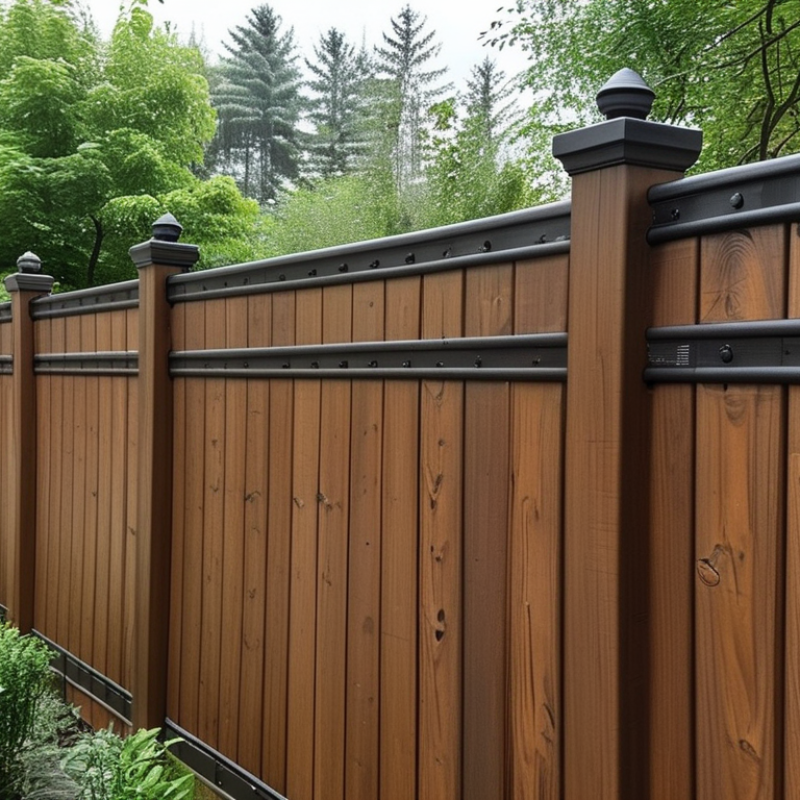
Understanding WPC Material: What Makes It Ideal for Fence Posts
WPC, or Wood-Plastic Composites, have gained popularity for outdoor fencing. These materials combine wood fibers and recycled plastics, giving them unique properties. They resist decay, insects, and harsh weather conditions. This durability makes WPC an ideal choice for fence posts.
WPC fence posts require minimal maintenance compared to traditional wood. They don’t warp or splinter easily, maintaining a clean look for years. Moreover, their resistant nature means they stay strong against severe weather. However, some may find the initial expense higher. Weigh this against long-term benefits.
Tip: Regularly check your fence for any signs of wear, especially at ground level. Even with WPC, the base can be susceptible to moisture damage. Cleaning the surface periodically will keep it looking fresh. Avoid neglecting these small details; they lead to bigger issues later on.
Durability Advantages of WPC Fence Posts in Outdoor Environments
WPC (Wood-Plastic Composite) fence posts stand out due to their remarkable durability in outdoor settings. These posts resist decay and damage from insects, making them ideal for various climates. Unlike traditional wood, WPC doesn't splinter or warp. This resistance prolongs their life cycle, often exceeding that of wood alone.
In addition to insect resistance, WPC posts withstand harsh weather conditions. Rain, UV radiation, and extreme temperatures do not compromise their integrity. This durability means fewer replacements, saving time and resources. On the downside, some may find that the initial cost is higher than that of wood. However, over time, the investment pays off due to reduced maintenance and replacement needs.
Another benefit of WPC posts is their low maintenance requirements. They do not need regular sealing or painting, unlike wood. Cleaning is simple—just soap and water will suffice. Some homeowners, however, express concerns about the aesthetics, arguing that WPC may lack the natural feel of wood. Yet, with many color options available, there's a style to suit varied tastes.
Top Benefits of WPC Fence Posts for Your Outdoor Spaces
Eco-Friendly Benefits of Using WPC for Your Fencing Needs
WPC, or wood-plastic composite, offers a sustainable solution for fencing needs. This material combines recycled wood fibers and plastic, providing an eco-friendly option for outdoor spaces. According to a report from the U.S. Environmental Protection Agency, over 20 million tons of plastic end up in landfills each year. WPC utilizes some of this waste, reducing its environmental impact.
In addition to waste reduction, WPC fences require less maintenance. Traditional wood fences need regular staining and sealing. WPC, however, is resistant to rot, insects, and fading. A study by the National Association of Home Builders revealed that WPC products can last up to 25 years. This longevity means fewer replacements are needed.
Moreover, WPC is safe for both children and pets. Its smooth surface prevents splinters, making it a suitable choice for families. However, not all WPC is created equal. Some cheaper options may not offer the same durability. It requires careful selection to ensure quality. When considering WPC for fencing, it's crucial to research and choose wisely.
Cost-Effectiveness of WPC Fence Posts Compared to Traditional Materials
WPC fence posts are becoming increasingly popular due to their
cost-effectiveness compared to traditional materials like wood and metal.
Traditional wooden fences require frequent maintenance, such as painting and sealing.
WPC, or wood-plastic composite, offers a durable alternative. It resists rot and decay, which means fewer repairs over time.
While the initial investment might be higher, the long-term savings on maintenance can be significant.
When considering WPC fence posts, think about your specific needs. Visualize the design that complements your landscape.
Factors such as local weather conditions can affect your choice. For instance, in humid areas, WPC's resistance to moisture can provide longevity.
Meanwhile, metal fences can rust, and wood can warp. If you're looking for an easy-to-install option, WPC is
lightweight and manageable. This can save you additional labor costs during installation.
Remember to review your choices. WPC may come in various colors and styles, offering flexibility in aesthetics.
Many people notice that the faux wood appearance can also enhance curb appeal. However, carefully consider the
quality of material. Some cheaper options may not provide the durability you expect.
Balancing cost with quality is essential for a lasting investment in your outdoor space.
Maintenance and Longevity: How WPC Fence Posts Stand the Test of Time
WPC (Wood-Plastic Composite) fence posts offer exceptional durability and require minimal maintenance, making them an ideal choice for outdoor spaces. According to a recent industry report, WPC materials can last up to 25 years without needing significant repairs. This longevity is due in part to their resistance to moisture, pests, and UV rays, which can deteriorate traditional wood structures.
While WPC fence posts are not completely immune to wear, their maintenance needs are considerably reduced. Regular inspections can ensure that the posts remain robust. A simple wash with soap and water can remove dirt and mildew. It's crucial not to use harsh chemicals, which may degrade the material over time. Choose gentle cleaning solutions to prolong the life of your fence.
Consider these tips for enhancing the lifespan of your WPC fence posts. Install them in a manner that allows for proper drainage. Avoiding pooling water around the base will help prevent potential rot. Regularly check for any loose fittings or signs of fading. It’s important to address these issues early to maintain both aesthetics and functionality.
FAQS
: WPC posts are durable, resist decay, and withstand insects. They last longer than traditional wood options.
WPC posts can endure rain, UV radiation, and extreme temperatures. They maintain integrity over time, reducing replacements.
Yes, WPC requires little maintenance. Simple cleaning with soap and water is usually enough. No regular sealing needed.
WPC is eco-friendly as it combines recycled materials. This helps reduce waste in landfills, promoting sustainability.
WPC fences can last up to 25 years, reducing the need for frequent replacements compared to wood.
Yes, the smooth surface of WPC prevents splinters, making it safe for children and pets.
Yes, WPC offers various colors and styles, allowing flexibility in design for outdoor aesthetics.
Consider your local weather conditions and the quality of the materials. Cheaper options may lack the expected durability.
Some find WPC less aesthetically pleasing than wood. The initial cost can also be higher, prompting some reconsideration.
While WPC may have a higher initial cost, it saves money on maintenance and repairs over time.
Conclusion
WPC fence posts offer numerous advantages for enhancing outdoor spaces. Comprised of wood-plastic composite material, WPC is a durable and weather-resistant option, making it ideal for various outdoor environments. These fence posts provide exceptional longevity, outperforming traditional materials in terms of maintenance and resilience.
Furthermore, the eco-friendly benefits of WPC cannot be overlooked, as it is made from recycled materials, contributing to a more sustainable choice for fencing needs. Cost-effectiveness is another significant advantage of WPC fence posts, providing a competitive alternative to conventional fencing materials without compromising on quality. Overall, choosing WPC fence posts ensures a long-lasting, visually appealing, and environmentally responsible solution for your outdoor fencing projects.

 Yida Wood