WPC exterior cladding is gaining popularity among homeowners and builders alike. This material seamlessly combines wood and plastic, offering a range of advantages for modern construction. One of the most compelling benefits is its durability. Unlike traditional wood, WPC is resistant to rot, insects, and harsh weather conditions. This resilience makes it an attractive choice for exterior applications.
Moreover, WPC exterior cladding requires minimal maintenance. Homeowners can save time and costs associated with regular upkeep. It's also eco-friendly, often made from recycled materials, which appeals to environmentally conscious buyers. The aesthetic versatility of WPC means it can mimic the look of real wood while providing superior performance.
While WPC exterior cladding presents many benefits, it is important to consider the potential challenges. Some may find it less rigid than traditional materials. This could impact installation methods and overall impression. Evaluating all aspects, including costs versus longevity, helps buyers make informed decisions. Ultimately, understanding WPC exterior cladding's benefits could lead to smarter investments in home improvement.
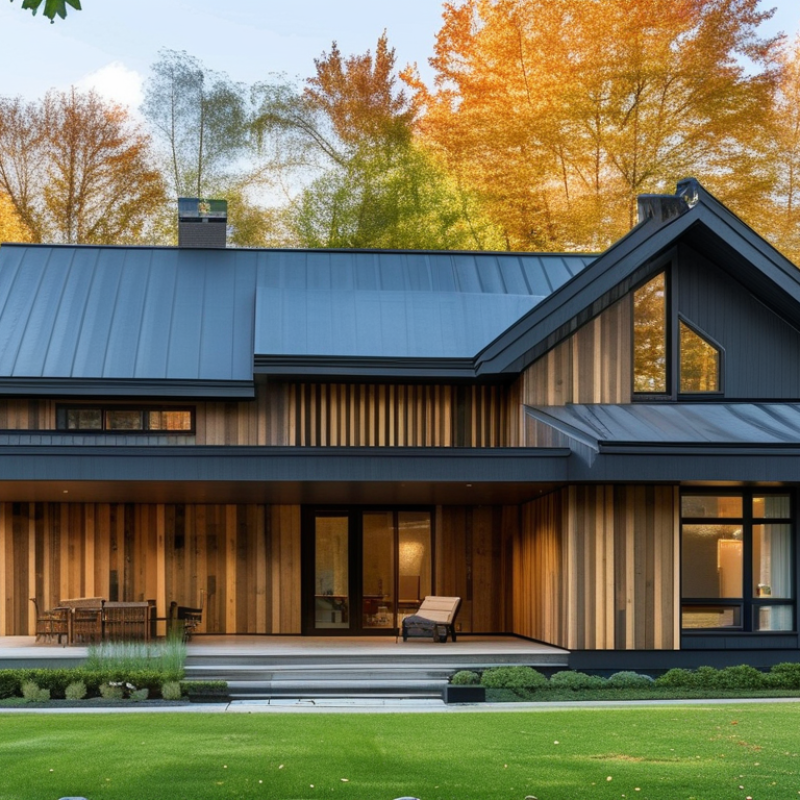
Benefits of WPC Exterior Cladding: An Overview
WPC (Wood-Plastic Composite) exterior cladding has gained traction among buyers due to its unique advantages. One notable benefit is its durability. WPC cladding is resistant to rot, decay, and insects, which can save homeowners significant maintenance costs. According to industry reports, buildings using WPC materials experience a 30% reduction in repairs compared to traditional wood products. This resilience contributes to a longer lifespan, making it an attractive option for many home projects.
Another advantage is the low environmental impact of WPC cladding. Made from recycled wood and plastic materials, it reduces waste and promotes sustainability. Research indicates that using WPC can lower carbon emissions by up to 40% during production compared to conventional materials. Homeowners increasingly favor products that align with eco-friendly practices. WPC cladding not only meets this demand but also offers aesthetic versatility, allowing for a range of styles and finishes.
While WPC cladding has many positives, buyers should be aware of potential downsides. Some products may expand or contract with temperature changes, affecting their fit. This highlights the importance of selecting quality materials and professional installation. Ultimately, while WPC offers numerous benefits, buyers must consider all factors to make informed choices for their homes.
Benefits of WPC Exterior Cladding for Buyers
| Benefit |
Description |
| Durability |
WPC exterior cladding is resistant to decay, rot, and insects, ensuring long-lasting use. |
| Low Maintenance |
Requires minimal upkeep compared to traditional wood, reducing maintenance costs. |
| Eco-Friendly |
Made from recycled materials, WPC is a sustainable choice for environmentally conscious buyers. |
| Aesthetic Appeal |
Available in various colors and textures, it enhances the visual appeal of any building. |
| Weather Resistance |
Withstands harsh weather conditions, including UV rays, rain, and temperature fluctuations. |
| Cost-Effective |
Offers a competitive price point compared to traditional materials, providing value for money. |
Durability of WPC Materials Compared to Traditional Options
WPC, or wood-plastic composite, stands out for its durability compared to traditional materials. According to industry studies, WPC can resist rot and pests, making it a wise choice for exterior cladding. Unlike wood, which often deteriorates within a few years, WPC maintains its structural integrity for decades. Reports suggest that WPC can last up to 25 years with minimal maintenance, while traditional wood may need replacement or significant upkeep every few years.
Additionally, WPC offers superior resistance to moisture. A report from a construction materials association indicates that WPC absorbs only 0.5% of moisture, while traditional wood can soak up to 25%. This significant difference minimizes warping and cracking, common issues faced by wood in wet environments. Buyers often overlook these benefits, assuming that traditional materials are more reliable. However, the data shows a clear advantage for WPC in terms of longevity and maintenance.
The environmental impact of material choice is also crucial. While wood requires ongoing harvesting, WPC often utilizes recycled materials, reducing its ecological footprint. Buyers should consider that though WPC may require a higher upfront investment, its longevity and low maintenance needs can yield savings over time. This balance between cost and durability challenges conventional thinking and deserves thoughtful consideration.
Cost-Effectiveness of WPC Cladding for Long-Term Investment
WPC (Wood-Plastic Composite) cladding has gained attention for its cost-effectiveness as a long-term investment. Buyers can expect to save significantly on maintenance costs. According to the American Institute of Architects, properties clad with WPC require less frequent painting and repairs compared to traditional materials. This durability is crucial for homeowners seeking to minimize long-term expenses.
Additionally, studies from the National Association of Home Builders show that WPC cladding can last up to 25 years or longer when properly maintained. The initial investment may seem higher than wood or vinyl, but longevity leads to lower replacement costs. Overall, this results in substantial savings over time. Unexpectedly, the environmental impact of production and disposal processes is worth considering. Some reports highlight that while WPC is more eco-friendly than pure wood, it still contributes to waste.
There is, however, a need for careful selection. Not all WPC products perform equally. Buyers should research materials and suppliers thoroughly. Understanding these differences is essential for making an informed decision. Ultimately, WPC cladding stands out as a viable option for cost-conscious buyers, balancing initial investment with long-term savings.
Benefits of WPC Exterior Cladding: Cost-Effectiveness of WPC Cladding for Long-Term Investment
Environmental Impact: Sustainability of WPC Materials
WPC, or Wood-Plastic Composite, has emerged as a sustainable choice for exterior cladding. This material combines plastics with wood fibers, offering a compelling alternative to traditional wood and vinyl. Its manufacturing process can significantly reduce waste, contributing to environmental protection. WPC does not require the same treatment chemicals that regular wood often needs. By choosing WPC, buyers can make a conscious decision towards sustainability.
The durability of WPC is particularly noteworthy. This material is resistant to moisture, insects, and weather fluctuations. As a result, homes clad in WPC often need less maintenance and replacement over time. However, it's essential to consider that while WPC can mimic wood's aesthetics, its look and feel can sometimes differ. Buyers should weigh whether these variances align with their design visions.
Even with its advantages, WPC is not without its issues. Some manufacturing processes raise questions about plastic waste. It is crucial for buyers to research their options thoroughly. Understanding the specific sourcing and production techniques ensures a more informed choice. Balancing sustainability with aesthetics and functionality demands reflection on what truly matters in home exteriors.
Aesthetic Versatility of WPC Cladding in Modern Architecture
WPC (Wood Plastic Composite) cladding has gained significant traction in modern architecture due to its aesthetic versatility. A report by Freedonia Group indicates that composite materials will experience over 10% annual growth by 2024. Many architects appreciate how WPC cladding mimics the appearance of natural wood while offering enhanced durability. The variety of finishes and colors available empowers designers to create unique exteriors.
This innovation not only caters to aesthetic needs but also addresses sustainability concerns. According to the U.S. Green Building Council, WPC materials are often made from recycled products, reducing environmental impact. However, the perception of WPC can vary among buyers. Some may question the longevity compared to traditional materials. Reports show that while WPC has a lifespan of 25 years, traditional wood requires consistent maintenance, which can be burdensome.
Another point for consideration is the installation process. While WPC is lighter and easier to handle, improper installation can lead to issues. Industry experts stress the importance of following guidelines closely. Buyers should also assess their local climate, as factors like humidity can affect the performance of WPC. Balancing aesthetic desires with practicalities is crucial for informed decisions.
FAQS
: WPC stands for Wood-Plastic Composite. It combines wood fibers and plastic for exterior cladding.
WPC cladding is durable, resistant to rot, and reduces maintenance costs significantly.
WPC lasts much longer and requires less upkeep. Traditional wood often deteriorates quickly.
Yes, WPC is made from recycled materials, reducing waste and lowering carbon emissions during production.
Temperature changes can cause expansion or contraction, affecting the fit. Quality materials and installation are crucial.
WPC absorbs only 0.5% moisture, unlike wood, which can absorb up to 25%. This minimizes warping.
Yes, WPC cladding can replicate the look of natural wood while providing added durability and variety.
Generally yes, but improper installation can lead to issues. Follow guidelines carefully for best results.
WPC cladding can last up to 25 years with minimal maintenance.
Consider the local climate and balance aesthetic desires with practical factors for informed decisions.
Conclusion
WPC exterior cladding offers numerous advantages for buyers looking to enhance the sustainability and aesthetics of their buildings. Renowned for its exceptional durability, WPC materials outperform traditional options against harsh weather conditions, reducing long-term maintenance costs. This cost-effectiveness positions WPC cladding as a smart investment for property owners seeking longevity without compromising on quality.
Moreover, WPC exterior cladding is environmentally friendly, made from recycled materials, contributing to a reduction in waste and promoting sustainability. Its aesthetic versatility allows architects and designers to create modern, visually appealing facades that align with contemporary design trends, making it an ideal choice for various architectural styles. Overall, WPC exterior cladding combines practicality with environmental consciousness and style, making it a favored option for modern construction projects.

 Yida Wood