As global demand for eco-friendly building materials grows, Wpc Wall Panels emerge as a viable choice. Experts in the industry, like Dr. Emily Hart, emphasize the importance of sustainability. She once said, "Wpc Wall Panels offer not only durability but also a reduced environmental footprint."
These composite panels blend wood fibers and plastic, creating a product that meets modern design needs. They resist moisture, mold, and pests, making them an appealing option for various applications.
However, quality can vary significantly among manufacturers. Buyers must consider their unique needs and preferences when exploring options. Not every panel on the market delivers the same performance or aesthetic appeal. It's crucial to research and compare choices to ensure the best investment.
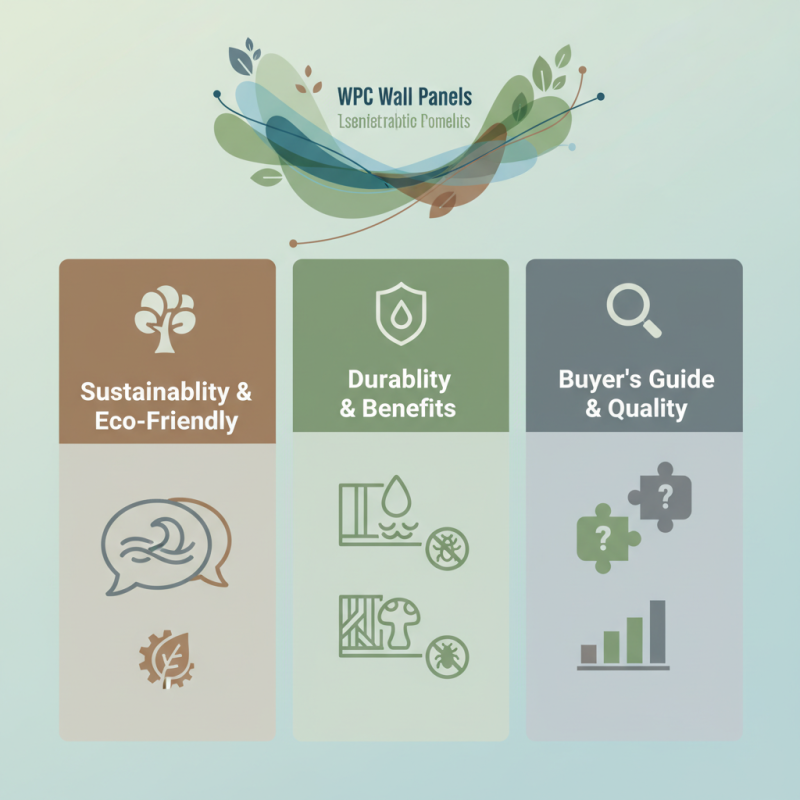
The global market for WPC wall panels is evolving rapidly. Wood-plastic composites (WPC) offer a unique blend of sustainability and durability. These panels are increasingly popular in both residential and commercial projects. Their design versatility allows for customization, appealing to diverse consumer preferences.
Market trends indicate a rising demand for eco-friendly materials. WPC wall panels fit this criterion, utilizing recycled materials. However, challenges exist. Not all manufacturers adhere to the highest standards. Buyers should research carefully, looking for certifications and reliable supplier information. Proper installation is crucial. A poorly installed WPC panel can lead to moisture issues and reduced lifespan.
In recent years, design innovations have expanded, offering various textures and colors. This variety helps address aesthetic concerns. Still, one must consider maintenance requirements. Some panels may need periodic sealing or painting. Buyers often underestimate these long-term commitments. A careful evaluation of both aesthetic and practical factors will ensure a satisfying purchase.
WPC (Wood Plastic Composite) wall panels are increasingly popular due to their numerous advantages over traditional materials. One significant benefit is durability. A recent industry report indicates that WPC panels can last up to 25 years with minimal maintenance, while wood and vinyl tend to degrade more quickly. This longevity reduces the need for frequent replacements, ultimately saving costs in the long run.
Another reason for WPC's rise is its resistance to moisture and pests. Traditional materials like wood are susceptible to rot and insect infestations. In contrast, WPC panels are engineered to withstand these issues effectively, making them ideal for diverse climates. A study found that WPC's water absorption rate is less than 1%, which is vital for maintaining structural integrity.
Moreover, WPC panels are more environmentally friendly. They utilize recycled materials, reducing waste and promoting sustainability. While this is a positive aspect, it's worth considering that some WPC products may still contain harmful additives. Not every option on the market is created equal. Buyers should research specifications and certifications to ensure they choose reliable products. Balancing aesthetics, durability, and environmental impact can be tricky but is essential for future projects.
The global market for Wood Plastic Composite (WPC) products is experiencing a notable surge. Various regions are showing different growth rates due to diverse consumer preferences. North America leads in demand, driven by urbanization and a focus on sustainable building materials. In Europe, the desire for eco-friendly construction continues to push WPC usage higher. Asia-Pacific is a rapidly growing market with increasing industrialization and population density.
When considering WPC wall panels, pay attention to regional trends. Choose products that meet local standards and environmental regulations. Understand that choices might differ based on aesthetic preferences and functionality. The ongoing trend towards sustainability means buyers prefer materials that are both durable and eco-conscious.
Tip: Research your local market before making a purchase. Understanding consumer trends can lead to better choices. Regularly check updates on WPC technology, as innovations may change the landscape. Buyers should not overlook the quality of materials. Sometimes, cheaper options may not last as long. Prioritizing quality over cost can save money in the long run.
| Region | Growth Rate (%) | Demand (Million USD) | Market Share (%) |
|---|---|---|---|
| North America | 5.2 | 450 | 30 |
| Europe | 4.8 | 380 | 25 |
| Asia-Pacific | 6.5 | 600 | 35 |
| Latin America | 3.9 | 220 | 10 |
| Middle East & Africa | 4.2 | 150 | 5 |
As the demand for WPC wall panels rises, the spotlight is on top manufacturers leading innovations in 2026. According to recent industry reports, the global WPC market is projected to reach approximately $19 billion by 2027. These figures reflect the growing interest in sustainable building materials. Innovations focus on durability, aesthetics, and ease of installation.
Manufacturers are introducing options with enhanced moisture resistance, ideal for various environments. These advancements follow years of research and development. While improvements are noteworthy, some challenges remain in maintaining quality consistency across different regions. Inspecting samples and requesting performance data can help buyers make informed decisions.
Tips for buyers include: assess your project's requirements carefully. Consider local climate factors when choosing materials. Also, stay updated on new technologies, as they can impact long-term performance. Understanding the landscape of manufacturers will empower buyers to select the best WPC wall panels suited for their needs.
Sustainability is a significant factor when selecting WPC (Wood Plastic Composite) wall panels. The market is seeing a growing demand for eco-friendly building materials. According to a report by the Global Warming Potential (GWP) Institute, WPC panels can reduce carbon emissions by approximately 45% compared to traditional materials. This reduction highlights the potential for WPC to contribute to a more sustainable future.
Recycling is a key element in the sustainability of WPC products. Estimates suggest that nearly 30% of WPC materials come from recycled sources. This statistic shows the industry's commitment to minimizing waste. However, the recycling process is not always efficient. Some materials still end up in landfills due to improper sorting or contamination. The industry must address these challenges.
Consumer awareness is essential for driving demand in sustainable WPC products. A survey revealed that over 70% of homeowners prefer materials with recycled content. This indicates a shift towards sustainability in purchasing decisions. Yet, many consumers lack information on the benefits of WPC wall panels. Education is crucial for cultivating a knowledgeable market. Encouraging consumers to ask questions can lead to better choices and a healthier environment.
: WPC wall panels are made from wood-plastic composites, combining sustainability and durability.
They are customizable and eco-friendly, appealing to both residential and commercial projects.
WPC panels can last up to 25 years with minimal maintenance, unlike wood or vinyl.
Yes, they resist moisture and pests effectively, making them suitable for diverse climates.
Buyers should research manufacturer certifications and ensure proper installation to avoid issues.
Yes, some panels may need periodic sealing or painting, which buyers often underestimate.
Not all products are equal; some may contain harmful additives. Research is essential.
WPC panels have a water absorption rate of less than 1%, vital for structural integrity.
Not all manufacturers meet high standards. Buyers need to seek reliable supplier information.
Evaluating both design and maintenance requirements will lead to a more satisfying choice.
The article "2026 Best WPC Wall Panels for Global Buyers to Consider" provides a comprehensive overview of the current trends and benefits associated with WPC wall panels in the global market. It highlights the increasing popularity of these materials due to their superior durability and aesthetic appeal when compared to traditional wall materials. The section on market trends outlines significant growth rates and regional demand, indicating a robust market expansion for WPC products.
Additionally, the article delves into the innovations within the industry, showcasing how leading manufacturers are enhancing the performance and design of WPC wall panels. Sustainability is also a crucial focus, with statistics on recycling and the environmental impact of these products underscoring their role in promoting eco-friendly construction solutions. Overall, WPC wall panels are positioned as a key option for future building applications, catering to both functional and environmental considerations in modern architecture.

Yida Wood